

Insights
Published thinking that reinforces each sector we serve: standards and the metaverse, ventures, technology and leadership, and the governance of trade.
 Latest
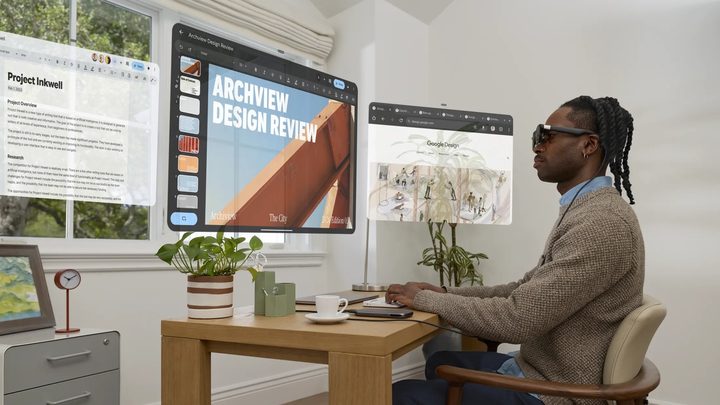
Who's Who in the Metaverse: XREAL, from Screen Glasses to a Computer You Wear
XREAL makes smart glasses. Its new Aura glasses run Android XR, are built with Google and give a 70° see-through view. The range, how Aura is built, what you can do with it, and what is still unproven.
All insights
-
Metaverse and standards
Who's Who in the Metaverse: XREAL, from Screen Glasses to a Computer You Wear
XREAL makes smart glasses. Its new Aura glasses run Android XR, are built with Google and give a 70° see-through view. The range, how Aura is built, what you can do with it, and what is still unproven.
Who's Who in the Metaverse, part 12 of 12 -
Metaverse and standards
Who's Who in the Metaverse: Magic Leap, from Spatial Computing to Component Supplier
The best-funded AR pioneer of the last decade is leaving headsets to supply the waveguides inside other companies' AI display glasses. What shipped, what it supplies now, and the gap between promise and product.
Who's Who in the Metaverse, part 11 of 12 -
Metaverse and standards
Who's Who in the Metaverse: Decentraland, Ownership on Ethereum
The longest-running blockchain-based virtual world, user-owned by design and still standing after the metaverse hype cycle. What the blockchain actually does, who uses the land, and the gap between presence and usage.
Who's Who in the Metaverse, part 10 of 12 -
Metaverse and standards
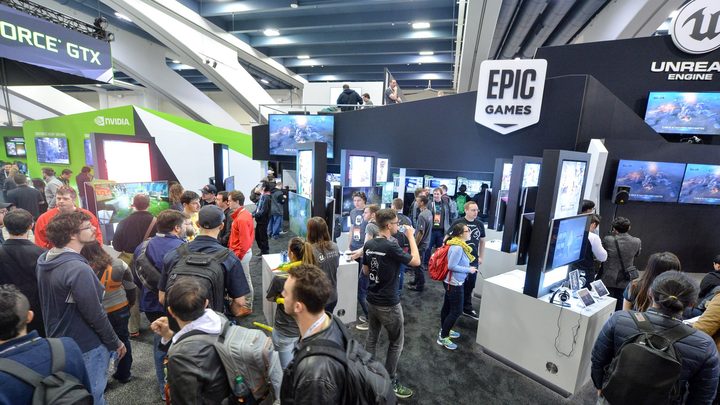
Who's Who in the Metaverse: Epic Games, an Open Metaverse Built in Public
Epic said metaverse out loud years before most and argues no one should own it. Unreal Engine, MetaHuman, Fab, UEFN and Pixel Streaming are what it actually ships.
Who's Who in the Metaverse, part 9 of 12 -
Metaverse and standards
Who's Who in the Metaverse: Unity, the Real-Time 3D Engine and Cross-Platform Backbone
Unity builds no hardware. It is the translation layer between visionOS, Meta Quest and Android XR, and the engine behind most VR and XR experiences, digital twins and on-device AI.
Who's Who in the Metaverse, part 8 of 12 -
Metaverse and standards
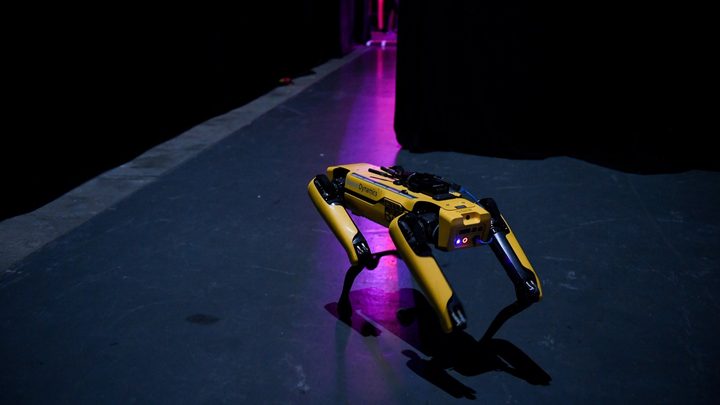
Who's Who in the Metaverse: Boston Dynamics, Embodied AI and Reality Capture
Boston Dynamics builds no headsets. Its robots are the mobile sensors that keep industrial digital twins current, trained first in simulation and sometimes piloted through VR.
Who's Who in the Metaverse, part 7 of 12 -
Responsible investment
Responsible Investment Practices, Part 1: The Speed–Governance Tension
Reimagining Responsible Investment GRC as a competitive capability, not a compliance cost.
Responsible Investment Practices, part 1 of 3 -
Metaverse and standards
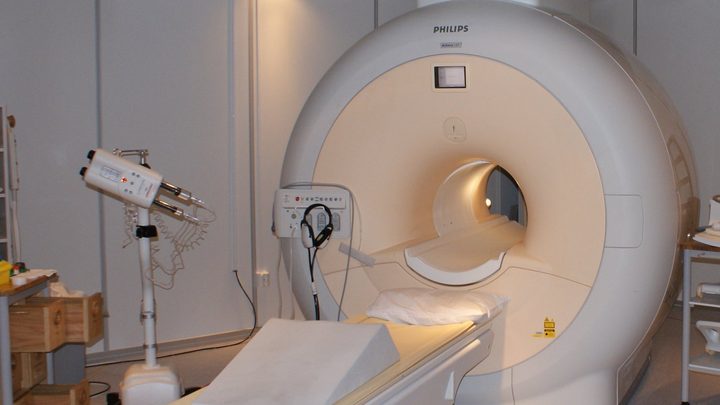
Who's Who in the Metaverse: Philips in Spatial Health and Volumetric Media
Philips stays out of the consumer metaverse. Its spatial work sits inside regulated clinical workflows: AR surgical navigation, advanced imaging and remote expert guidance, with XR pilots kept clearly labeled as pilots.
Who's Who in the Metaverse, part 6 of 12 -
Metaverse and standards
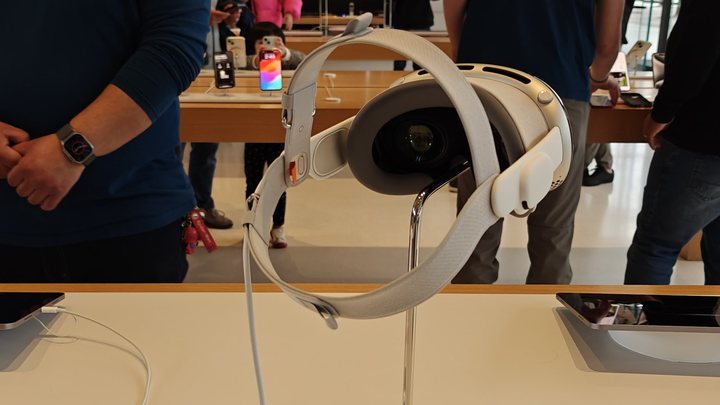
Who's Who in the Metaverse: Apple's Spatial Computing Strategy, Vision Pro, Intelligence and Accessibility
Apple calls it spatial computing, not the metaverse: the M5 Vision Pro, visionOS, accessibility built in from the start, and a founding role in the Alliance for OpenUSD.
Who's Who in the Metaverse, part 5 of 12 -
Metaverse and standards
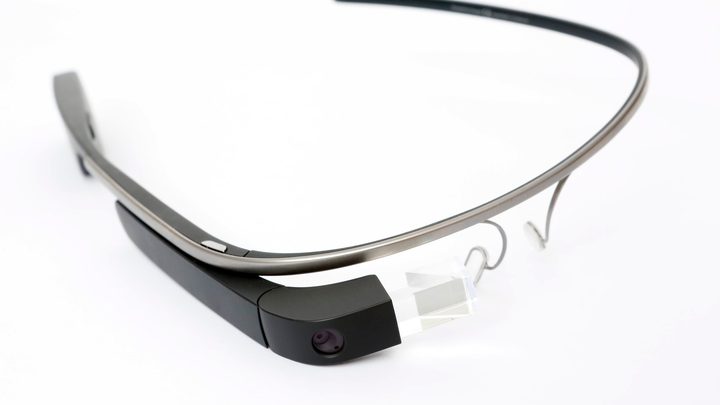
Who's Who in the Metaverse: Google, the Geospatial AI Backbone for Anchoring Digital Experiences to Reality
Google skips the word metaverse and bets on AI-driven spatial computing: Android XR, Gemini, prototype AR glasses and a photorealistic 3D map of the world.
Who's Who in the Metaverse, part 4 of 12 -
Metaverse and standards
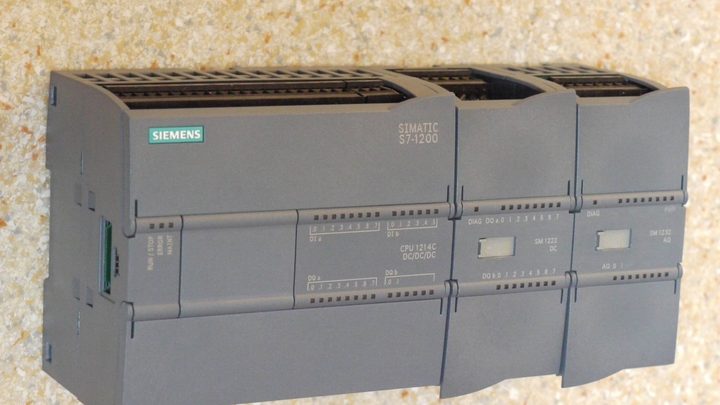
Who's Who in the Metaverse: Siemens, Bridging the Real and Digital Worlds
How Siemens builds the industrial metaverse around the digital twin: Xcelerator, Teamcenter X, Simcenter and the factories in Erlangen and Nanjing that prove the model.
Who's Who in the Metaverse, part 3 of 12 -
Metaverse and standards
Who's Who in the Metaverse: Nvidia, a Core Architect and Engine of the Industrial Metaverse
A profile of Nvidia’s role in the industrial metaverse: its platforms, the applications they enable, and use cases from digital twins to robotics simulation.
Who's Who in the Metaverse, part 2 of 12 -
Metaverse and standards
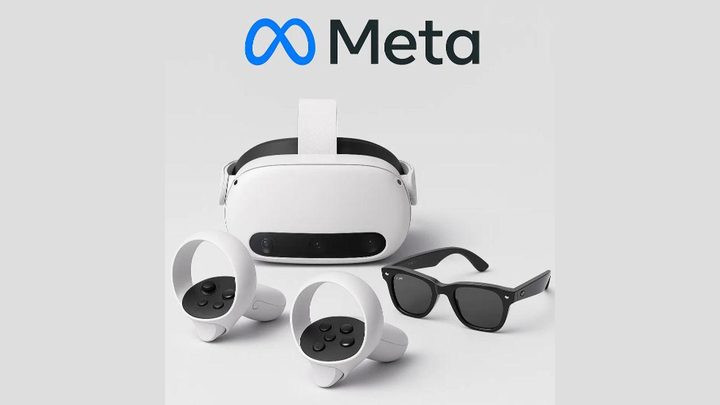
Who's Who in the Metaverse: Meta in Social and Enterprise XR
An overview of Meta’s metaverse strategy, its virtual and augmented reality devices, and the social and enterprise platforms built on them.
Who's Who in the Metaverse, part 1 of 12 -
Metaverse and standards
Universal Scene Description (USD): A Quick Guide to Core Concepts
What Universal Scene Description is, how its object model composes a scene from layers, and the features that let it scale across production pipelines.
-
Technology and leadership
Leadership in Digital Transformation
Why choosing the right digital leaders comes first among the conditions for a transformation to succeed, and how to test for them when hiring.
-
Technology and leadership
Leapfrog Your Technological Capabilities
How generative AI, intelligent automation, quantum computing and robotics can let an organization skip a generation of technology, and the questions boards should ask first.
-
Ventures
Part 4: Future in the Making
After launch: gathering customer feedback, acting on it with or without marketing technology, and planning how the offering improves and grows.
A guide for aspiring entrepreneurs, part 4 of 4 -
Ventures
Part 3: Unleash Your Offerings to the World
Taking a funded, prototyped offering to market: outreach, positioning and a vision statement that draws in customers and resources.
A guide for aspiring entrepreneurs, part 3 of 4 -
Ventures
Part 2: Setting Captivated Visions Free
The hurdles that hold entrepreneurs back, and three actions to take before kick-off: learn from related experience, dismantle biases, and prepare to prototype.
A guide for aspiring entrepreneurs, part 2 of 4 -
Ventures
Part 1: The Dilemmas of Aspiring Entrepreneurs
Why capable founders stall: the support available from angel investors, venture capital, incubators and accelerators often goes unseen.
A guide for aspiring entrepreneurs, part 1 of 4 -
Metaverse and standards
The Metaverse for an Inclusive Future
What the metaverse is, the open questions about its definition and technologies, and why its future depends on including every kind of stakeholder.
-
Governance, risk and trade
Path to Sustainable Global Trade and Supply Chain Operations
Governance, risk and compliance for global trade: product authenticity, data, climate, regulatory and cyber risk designed into operations.
-
Technology and leadership
Barriers to Innovation in the Public Sector
Well-funded public bodies still struggle to innovate. Three barriers hold them back, and three quick wins can start to move them: blend technologies, consult beneficiaries, and automate with care.
-
Technology and leadership
Diagnosing an Entity's Wellbeing
Organizations pass through life stages much as people do. Staying healthy takes a regenerative culture that learns, unlearns and relearns, and an honest diagnosis of where the entity stands.










Get each new issue of Rewritten by Hkdolts
One shift in the market each month, and what it means for the decisions in front of your board. A five-minute read, free.
Bring us the question behind the article
Tell us the decision in front of you. We will reply with how we would approach it.
From the United States to leadership teams worldwide, virtually or on site.
- 1FrameAgree the decision to be made and the evidence it requires.
- 2BaselineEstablish where the organization stands today.
- 3CommitAgree the scope, the model and the price.